26 Aug 2026 (written 15 Aug 2026)
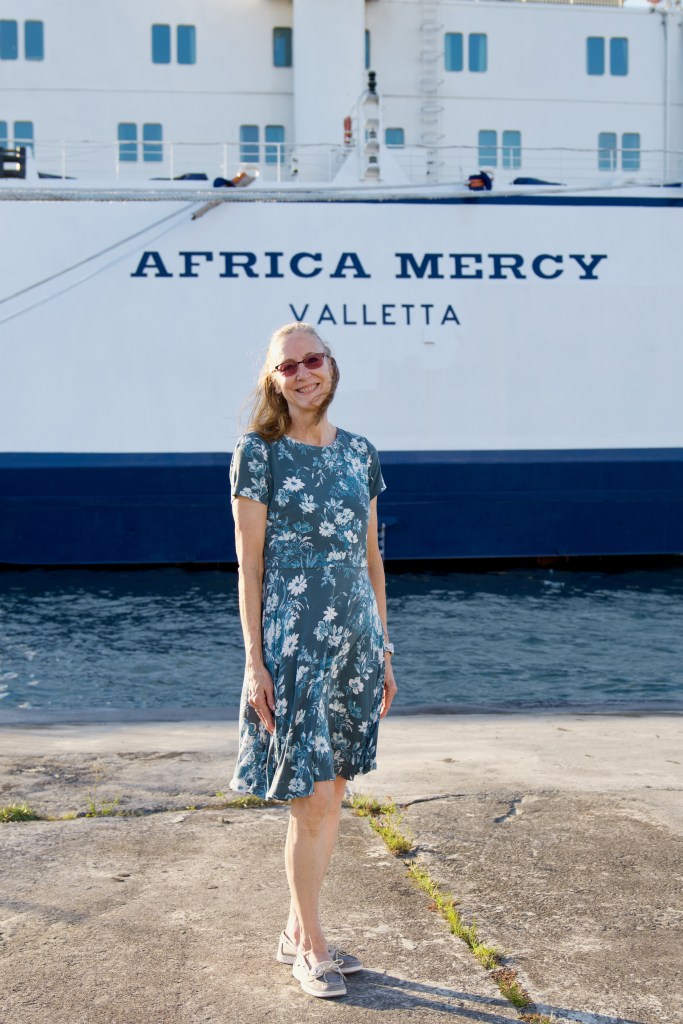
This was truly a life changing experience. I was able to use my clinical skillls to change the lives of 20 patients in my 8 days in the Operating Room (Theatre). Many of the procedures performed were what we consider in the United States as minor procedures. However, in a counry where many people have no basic healthcare, we were able to improve their lives.
Madagascar is a poor country. The average monthly salary is equivalent to $110-$150 and considerably less in the rural parts of the country. Healthcare in the country is limited due to shortage of resources, rural isolation and an urban concentration of medical staff. In addition, the system is strained due to high rates of malnutrition, malaria and reproductive health challenges.
The average weight of my adult patients was 58.7 kg or 129 pounds. My heaviest patient weighted 76.4 kg (168 pounds). Dehydration and malnutrition are common compared to our obesity epidemic in the United States.
A common problem that has been helped by Mercy Ships’ plastic surgery teams is burn related contractures. Untreated burns result in joint immobility and the plastic surgery teams release the contacture and do muscle flaps so the tissues remain extended and heal in a normal position and provide improved mobility.
A simple surgery that we performed many times in the two weeks I was there were hernia repairs. If left untreated, these can turn into bowel obstructions which would ultimately lead to death without emergency surgery.
Our third specialty was treatment of cleft iips and palates. We saw adults with untreated clefts as well as infants and young children. In the United States, these would have been treated early in their lifetime. The problem other than the physical deformity is that they may also not have adequate nutrition due to difficulty eating.
As part of the treatment of all of these patients, Mercy Ships look to optimize the nutritional status so they can have better outcomes. They also provide properative dental care as oral infections increase the risk of postoperative wound infections.
One of the most striking observations I made was despite people from all over the world coming together, often for just a short time, the team functioned better than any team I have ever been a part of. Patient safety was paramount and good communication was the key.
Every day the entire team met to discuss the plan for the day, preparing for each patient from every possible aspect – the surgeon, nurses and anesthesia staff. All people in the OR knew everyone’s name. Doctors were either Dr. “first name” or just by their first name. Everyone was treated with respect and kindness.
The Africa Mercy is a hospital that has 1st world equipment and supplies, though there were limits to what was available and we were all careful to use what we had sparingly. With that said, no care was ever less than patients would get here in the United States.
There is also a training program for Malagasi student doctors, nurses and anesthesia providers to get instruction from the Mercy Ships doctors and nurses. In addition, local people are employed as translators, cleaning support, cafeteria support and chaplaincy services.
The patients and their families are so appreciative and grateful for the care they receive. In the evenings it’s common to have a parade of children singing and dancing down the hall. One evening, someone brought a guitar and one of the patients played a song for the ward.
It’s hard to put into words all of the feelings I have leaving the ship. I have made friends that I hope I will see again either on the ship or in my travels or if they ever travel my way.
This has been a blessing in that I realize how much I take for granted and when we joke about “1st world problems” I can actually appreciate what living in a third world country is like. I am grateful for this experience and hope, that when I return home, I don’t lose this feeling of satisfaction of being able to do good for others and to be able to continue in this mindset.
I plan to return annually and potentially for a longer term after retirement. I actually told someone on the ship that if I could continue working like I did these two weeks, I would never feel the need to retire completely. Up until that time I had a complete stop retirement date and I am now changing my tune.
PS I wrote this on my last day on the ship before departing. I let it ruminate partly because coming back after 2 weeks away, I had a lot to do. It’s only minimally editted as the feelings are the same. I will keep you updated as I make plans to return in 2027.


Leave a Reply